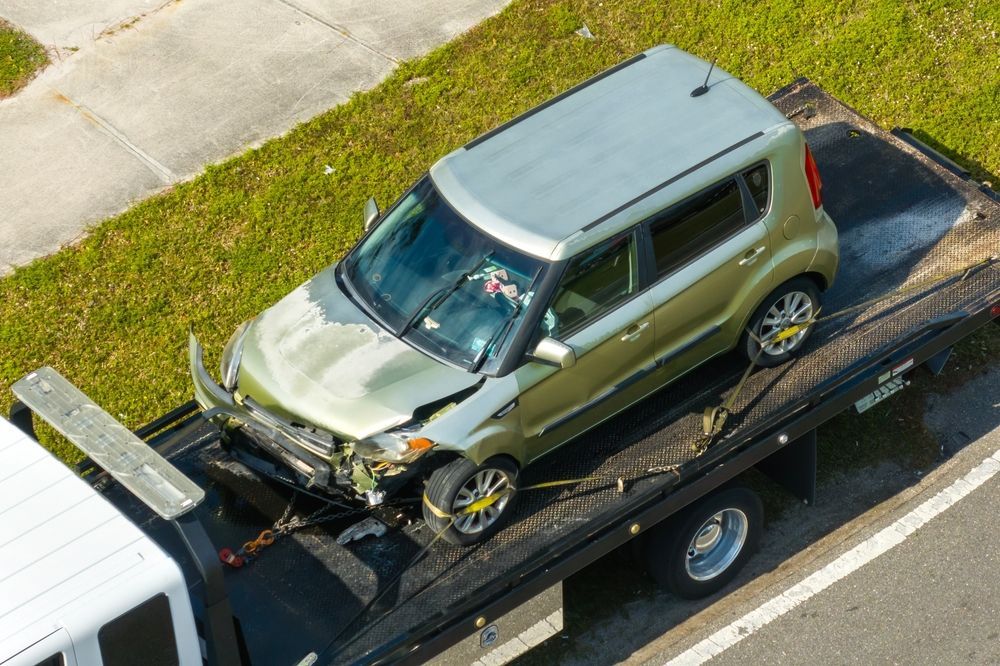
How Reliable Emergency Towing Protects Drivers When Breakdowns Happen
Emergency towing provides immediate roadside assistance when your vehicle breaks down unexpectedly, ensuring you receive fast and safe transport to a repair facility or secure location.
What Should You Do Immediately After a Vehicle Breakdown?
Move your vehicle to the shoulder if possible, turn on hazard lights, and call a professional towing service to avoid traffic hazards and prevent further damage.
Staying inside your vehicle with seatbelts fastened is usually safest, especially on busy highways or during poor weather conditions. Exit only if you can move far from traffic.
Keep emergency supplies like a flashlight, reflective triangles, and a phone charger in your car. These items help you stay visible and connected while you wait for help to arrive.
How Does Professional Towing Prevent Additional Damage?
Professional operators use flatbed or wheel-lift equipment designed for your vehicle type, protecting the transmission, suspension, and drivetrain from towing stress or misalignment.
Attempting to tow a disabled vehicle yourself or using improper equipment can bend axles, strip gears, or crack undercarriage components. Certified towing minimizes these risks through correct hookup techniques.
Drivers who need roadside help can find emergency towing services that respond quickly and handle vehicles with care. Proper towing saves you costly repairs and ensures your car arrives intact at the shop.
Which Vehicles Can Be Towed Safely?
Most passenger cars, SUVs, light trucks, and motorcycles can be towed safely using flatbed or wheel-lift methods matched to the vehicle's weight and drivetrain configuration.
All-wheel-drive and four-wheel-drive vehicles often require flatbed transport to prevent damage to the transfer case. Front-wheel-drive cars can sometimes use wheel-lift towing if the rear wheels remain on the ground.
Electric and hybrid vehicles have specific towing instructions in the owner's manual. Always inform the tow operator about your vehicle type so they select the safest loading method.
Can Weather Conditions Delay Towing Response Times?
Heavy rain, snow, ice, or fog can slow response times as operators navigate carefully to reach stranded drivers and ensure safe loading on slippery surfaces.
During severe weather, call volumes increase and road closures may extend wait times. Towing companies prioritize safety and dispatch trucks as conditions allow.
Planning ahead by keeping your phone charged and a blanket in the trunk helps you stay comfortable while waiting. Weather-related delays are unavoidable, but professional crews work steadily to assist every caller.
When you need dependable roadside support, Omega Towing stands ready to respond. Schedule assistance by calling 757-707-0708 today.